
Walk into the reception of most small and mid-size hotels in Nepal and you will still find the same tools: a register book for check-ins, a separate restaurant bill pad, an Excel sheet for stock, and a phone full of payment screenshots that someone has to match against bookings at the end of the day. It works — until the season gets busy, a room is double-booked, a guest's dinner never reaches the final bill, or the owner tries to find out how much the hotel actually earned last month.
This guide explains what hotel management software (often called a PMS or HMS) should do for a hotel in Nepal specifically, and how hotels using our product, SajhiloStay HMS, run day to day.
Why hotels in Nepal need software built for Nepal
International hotel software is built for card payments, a single currency and a Western calendar. Nepali hotels deal with a different reality:
- Payments arrive by QR. Guests scan a Fonepay QR from their banking or wallet app far more often than they hand over a card. If the system can't confirm those payments, staff end up checking screenshots by eye.
- Tax rules are local. VAT at 13%, a 10% service charge, and IRD's electronic billing requirements all need to be handled correctly on every bill.
- Prices change with the festival calendar. Dashain, Tihar and peak trekking seasons mean rates that change by date — and the website and front desk must quote the same price.
- Many hotels run a restaurant too. Room service and restaurant orders must land on the guest's room bill without a paper chit going missing.
- Staff often work on phones and tablets. Not every front desk or kitchen has a desktop computer.
What a complete hotel system covers
1. Front desk and rooms
Bookings, check-in and check-out, a live room-status calendar, room holds, group bookings and group bills. The point is simple: at any moment anyone at reception can see which rooms are free tonight, which are occupied, and which need cleaning — without flipping pages.
2. Your own booking website
Booking platforms take a commission on every reservation. Your own website with live room search lets guests book directly. In SajhiloStay the website and front desk share one pricing engine, so a guest is always quoted the same rate the receptionist would quote, festival pricing included. Staff can change photos, rooms and offers themselves, and pick from 15 homepage designs without a developer.
3. Fonepay QR that verifies itself
Instead of a static QR printed at the counter, the system generates a dynamic Fonepay QR for the exact amount and confirms with Fonepay that it was paid before recording it — on the hotel's own merchant account. Guests can even pay their booking advance from a link in their confirmation email. (We explain why this matters in detail in our guide to Fonepay QR verification.)
4. Restaurant and kitchen
Table ordering, kitchen and bar tickets (KOT) printed automatically or shown on a kitchen screen, split bills, and charge-to-room. Recipes deduct ingredients from stock as dishes are sold, so the stock sheet stays honest.
5. IRD-verified tax invoices
Each bill is registered with IRD's system as it is issued, and the printed invoice follows the IRD layout. That removes a whole category of end-of-month stress. See our IRD e-billing guide.
6. Accounts, khata and reports
One shared ledger means a restaurant payment, a room payment, a refund and an expense all appear in the same reports. Credit (khata) accounts for companies and travel agencies come with due and aging reports, so you know exactly who owes what.
7. Housekeeping, laundry, HR and attendance
A housekeeping dashboard shows which rooms need cleaning. Laundry batches are tracked. Staff rosters, payroll with SSF and TDS, and fingerprint attendance from ZKTeco devices remove the monthly payroll spreadsheet.
8. Works on the phone
The system installs like an app on phones and tablets — no app store needed — so the owner can check today's occupancy from anywhere.
How Nepali hotels are using it today
SajhiloStay is not a prototype. It runs live at hotels across Nepal, including:
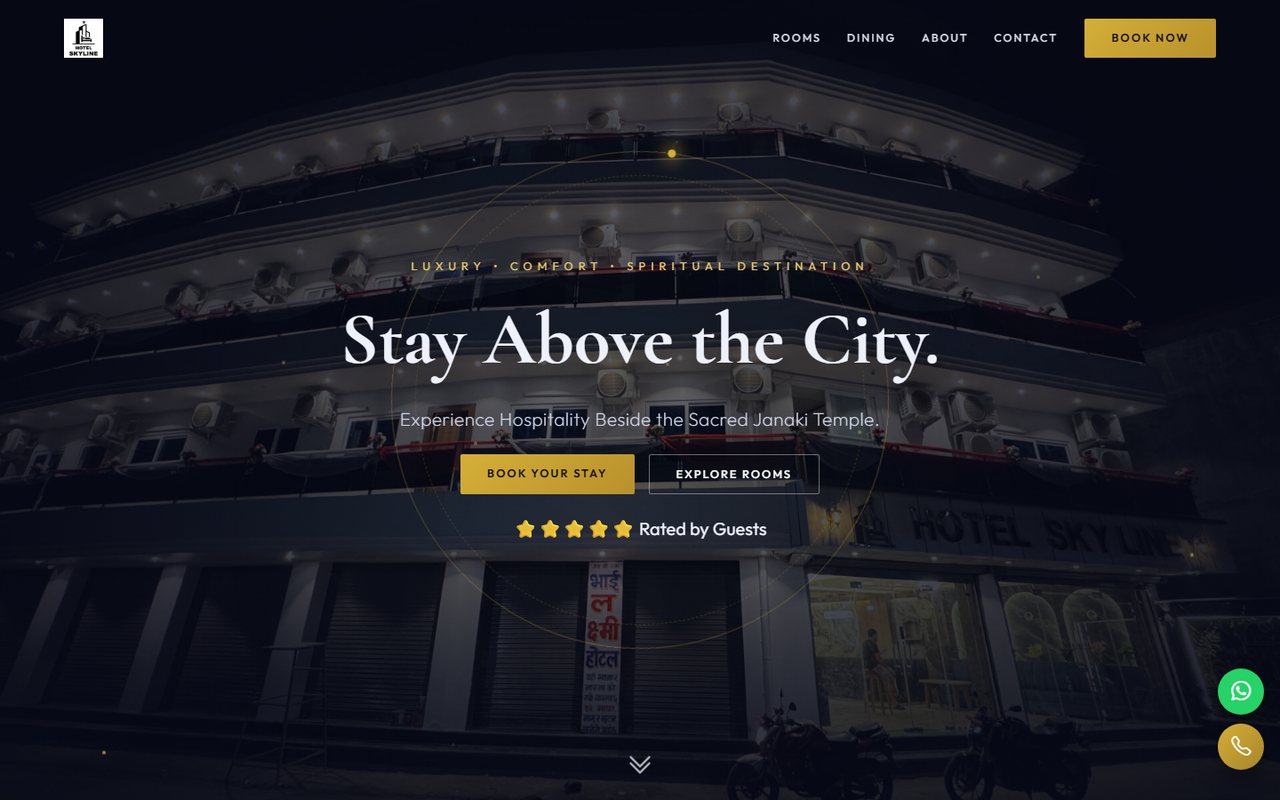
- Hotel Skyline, Janakpur — website, front desk, restaurant, payments and IRD billing in one system.
- Hotel Pokhara Lake Sarowar, Lakeside Pokhara — direct bookings from its own website, backed by the same system.
- Hotel Mansarovar, Dailekh — showing that a complete system works just as well outside the big tourist cities.
Other properties — from Hetauda and Dang to Mustang and Kathmandu — use it for their front desk and back office.
Checklist: questions to ask before buying hotel software in Nepal
- Can it confirm Fonepay QR payments automatically, or will staff still check screenshots?
- Does it produce IRD-compliant invoices and handle VAT and service charge correctly?
- Do the restaurant and front desk share one bill and one ledger?
- Can guests book on your own website at the same price the front desk quotes?
- Does it work on the phones and tablets your staff already have?
- Is there local support that understands Nepali hotel operations?
- Can it grow with you — more rooms, a second building, more staff?
Frequently asked questions
Is hotel software affordable for a small hotel or guest house in Nepal?
Yes. Small guest houses use the same system as larger hotels; plans scale with the size of the property. See the plans on the SajhiloStay page.
Do we need a computer at reception?
No. A tablet or phone is enough, and the system can print to standard receipt and kitchen printers.
What happens to our existing bookings and records?
We help move your current rooms, rates and upcoming bookings in during go-live, and train your staff on site or online.
Want to see it working? Try the live demo on the SajhiloStay HMS page, or contact OM IT Solutions for a walkthrough with your own rooms and rates.